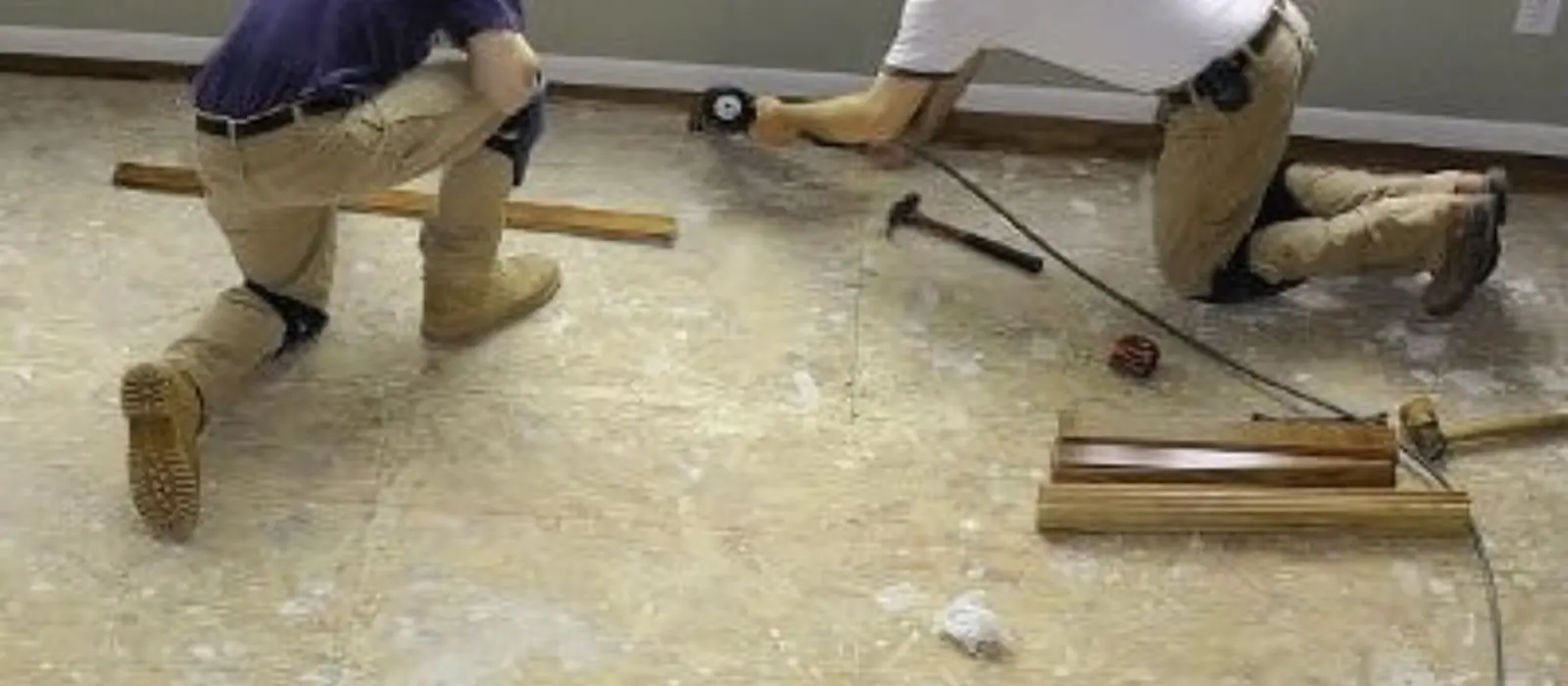
Water damage repair begins after the drying is done
Water damage repair is the rebuild phase of a water loss. Once the leak is stopped and the structure is dry, damaged drywall, insulation, trim, flooring and paint are replaced so the room works and looks the way it did before. In South Gate, that work usually follows a burst supply line, a roof leak, an appliance failure or a plumbing problem inside a wall.
Professional drying and rebuild scopes in the industry are guided by the ANSI/IICRC S500 standard, which sets how water damage is classified and when a structure counts as dry. Ask any contractor whether the scope follows it.
Repair is different from water mitigation, which stops the damage and dries the building. It also differs from water damage cleanup, which removes debris and sanitizes. Rebuilding before the materials are dry is how paint bubbles and mold starts behind new drywall.
If you are unsure whether your house is dry enough, a moisture meter reading on the studs and the back of the drywall settles it. Call (213) 776-0579, describe what you see, and the dispatcher will tell you which phase you are in.
Signs the damage needs repair, not just drying
| What you see | What it usually means | Typical repair |
|---|---|---|
| Brown ring or stain on a ceiling | Water passed through the drywall from plumbing or the roof above | Cut out the stained section, replace it, seal with stain blocker and repaint |
| Drywall that is soft, bulging or crumbling | The gypsum absorbed water and lost its strength | Remove the panel, replace wet insulation behind it, install new drywall |
| Baseboard or trim pulling away | Wood swelled and the fasteners loosened | Replace the trim once the wall cavity is dry |
| Hardwood cupping or gaps | Boards took on moisture from below or from a leak | Dry fully, then sand and refinish or replace boards |
| Carpet that still smells after drying | The pad or subfloor stayed wet | Replace the pad and treat or replace subfloor sections |
| Paint bubbling or peeling | Moisture is still moving through the wall | Find and stop the source, then re-prime and paint |
Ceiling and wall water damage repair
Ceilings and walls show the damage first because water runs down and along framing before it appears as a stain. The visible spot is rarely the whole problem, so repair starts by opening the cavity, checking it with a moisture meter and removing anything that stayed wet.
- Confirm the source is fixed. A new ceiling under an active roof leak will stain again.
- Cut back the drywall until the edges are dry and solid, usually past the visible stain.
- Remove wet insulation and let the framing dry to a normal reading.
- Hang new drywall, tape, texture and prime with a stain-blocking primer.
- Paint the full ceiling or wall plane so the patch does not show in raking light.
South Gate's older housing matters here. Much of the city's housing dates from the 1910 to 1940 building period, and a house from that era may have plaster over wood lath instead of drywall. Plaster is patched differently, and paint on a home built before 1978 can contain lead, so ask the crew about testing before any demolition.
Hardwood floors: cupping, buckling and what can be saved
Cupping means the board edges rise higher than the centers because the wood absorbed moisture from below. Buckling is more serious, with boards lifting off the subfloor. Slow, controlled drying sometimes lets cupped boards flatten, and sanding should wait until moisture readings are back to normal.
Boards that have buckled, split or turned dark along the grain are usually replaced. A crew can test several spots on the floor and tell you honestly which boards have a chance and which do not, before any sanding begins.
How a repair is scoped and priced
No two repairs cost the same, so we explain scope and price before work starts. These are the factors that move the number:
- How many rooms and how much wall, ceiling or floor area was damaged
- Material type: drywall, plaster, hardwood, laminate, tile, cabinets or carpet
- Whether insulation, wiring or plumbing in the cavity needs replacing
- Texture, paint and trim matching, including whole-room repainting
- Permits, if the work touches plumbing, electrical or structure
Insurance often covers repair of sudden and accidental damage, such as a burst pipe, and often does not cover gradual leaks or neglect. Check your policy or ask your insurer, because we cannot say what yours will pay. For your own scope, call (213) 776-0579.
Want your repair scope explained?
Describe the damage and a crew lead will walk you through what needs replacing.
Permits and building rules in South Gate
What the South Gate Building and Safety Division says
The City of South Gate says building permits are typically required for home improvement, repair, alteration and construction, and for plumbing, mechanical and electrical work. The Building and Safety Division is at 8650 California Avenue and answers at (323) 563-9549. If your repair opens walls to replace wiring or pipes, ask the division whether your scope needs a permit before the work begins.
Property just outside South Gate follows different rules. A repair in Downey or Lynwood goes through that city's own building department, so confirm which city your address belongs to.
What to do before the repair crew arrives
Before repair begins, a few steps protect the work and your family. Do not walk on ceilings that sag or drywall that is soft, and do not use a room with a bulging ceiling.
- Shut off the water supply and the power to wet areas if it is safe to reach the panel.
- Move furniture and valuables out of the wet area.
- Photograph the damage before anything is removed.
- Keep fans running only if the room is dry enough to be safe, and call (213) 776-0579 if you are unsure.
Repair questions South Gate homeowners ask
Repairs start when moisture readings return to normal for each material, which a crew confirms with a meter. Drying often takes a few days, and thick materials like hardwood or plaster can take longer.
Crews match texture and sheen as closely as possible, but exact matches on older walls are not always achievable. Ask to see a test patch before the whole room is finished, and plan to paint the entire wall or ceiling plane.
Sudden and accidental damage is often covered and gradual leaks often are not. Flood is usually excluded. Check your policy or ask your insurer, and keep dated photos and the written scope for the claim.
We repair the interior damage the water caused. A roofer or plumber fixes the source. We will tell you if the source has not been fixed yet, because new repairs would be damaged again.
Stop the repair and call. Mold needs containment and removal before new drywall goes up. See our mold remediation page for how that process works.
Yes. The line is open 24 hours a day, every day, so you can book a repair assessment on a Sunday or ask a question late in the evening.