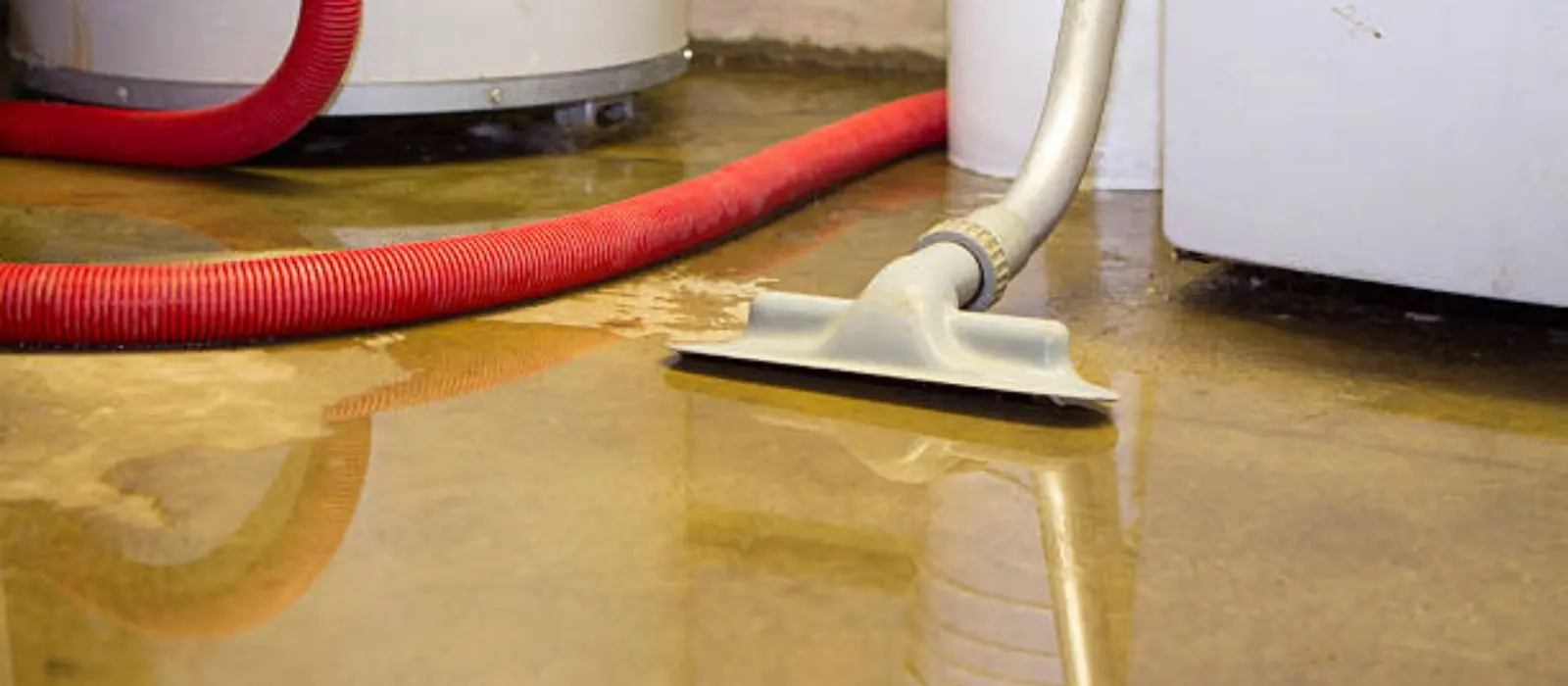
Water damage cleanup in the first 48 hours
Wet rooms in a South Gate home are an emergency, and the first two days decide how much of the room can be kept. Our line is open 24/7. Until a crew arrives, lift furniture and valuables off wet floors, keep people and pets out of any dark or foul water, and do not use a household vacuum on wet carpet or standing water.
Water damage cleanup is the removal of wet debris and ruined materials, followed by sanitizing and deodorizing. It sits between water mitigation, which stops and dries, and water damage repair, which rebuilds. Cleanup decides what leaves the house, what stays and what gets treated.
What cleanup removes, saves and sanitizes
The answer depends on how clean the water was. Clean water from a supply line lets crews save far more than contaminated water from a sewer or a flood.
| Material | After clean water (Category 1) | After contaminated water (Category 2 or 3) |
|---|---|---|
| Carpet | Often dried in place if lifted quickly | Usually discarded |
| Carpet pad | Usually replaced because it dries slowly | Discarded |
| Drywall | Dried if firm, cut out if soft or stained | Cut out and discarded |
| Insulation | Replaced when saturated | Discarded |
| Hardwood | Dried and evaluated board by board | Evaluated, often replaced |
| Upholstery | Cleaned and dried promptly | Professionally cleaned or discarded |
| Papers and photos | Dried or frozen quickly | Discarded if contaminated |
These categories come from the ANSI/IICRC S500 standard for professional water damage restoration. You can ask any company whether its crews work to it.
Sanitizing and deodorizing after the water is gone
Odor after water damage comes from bacteria and from materials that stayed wet. Spraying a fragrance over it only hides the problem for a few days. Real deodorizing removes the wet material, cleans the surfaces and dries the space, and often adds air scrubbers with HEPA filters to pull particles out of the air.
Antimicrobial products are applied to hard surfaces and to framing that stays in place. Porous materials that soaked up contaminated water are removed instead, because a surface treatment cannot reach what soaked in. If a musty smell returns after cleanup, something is still wet, and a moisture meter will find it.
Contents: what to move and what to leave
Before the crew arrives
- Take dated photos of the damage and your belongings before anything is moved.
- Lift furniture legs off wet carpet and place foil or plastic under them.
- Move electronics, papers and photos to a dry room, and unplug anything that touched water.
- Leave anything heavy or unstable alone, and never lift wet drywall or ceiling material overhead.
- Keep a list of discarded items with approximate age and cost for your insurer.
Cleanup for businesses along Firestone Boulevard and Tweedy Mile
Water losses in commercial space add notice requirements. In a multi-tenant building, a leak at one unit can reach the units around it, and the landlord or property manager usually needs written notice. Large centers such as Azalea Regional Shopping Center, at Firestone Boulevard and Atlantic Avenue, have property managers for this reason.
The same goes for older storefronts on Tweedy Mile, the downtown business district along Tweedy Boulevard, where shared walls let water travel. Photograph everything before cleanup begins, tell neighboring tenants and your own insurer promptly, and ask the crew to log what was removed.
How debris is handled and documented
Tear-out creates a lot of wet, heavy material. Crews cut it into manageable pieces, bag or wrap contaminated items so they do not drag water through clean rooms and carry it out through the shortest path. Wet drywall and pad are heavier than they look, which is another reason to leave removal to people with the right equipment.
A good crew also keeps a record. It lists what was removed, from which rooms and why, with photos taken before and after. That list helps your insurer follow the claim and helps the repair crew know exactly which walls and floors need rebuilding. Ask for a copy when the job ends.
What changes the cost of cleanup
- Water category, because contaminated water adds containment and disposal
- Volume of debris and how many materials must be removed
- Floor area and number of rooms affected
- Access and hauling, such as stairs or a tight crawl space
- Sanitizing, air scrubbing and deodorizing needs
Scope and price are explained before work starts. Sudden and accidental damage is often covered by insurance and gradual leaks often are not, so check your policy or ask your insurer. To discuss your own cleanup, call (213) 776-0579.
Cleanup in the towns around South Gate
Crews also handle cleanup calls in Huntington Park, Paramount and the other nearby towns. If mold has already started on wet materials, the mold remediation page explains how containment and removal differ from ordinary cleanup.
Water damage cleanup questions
Yes, the line is answered around the clock, including nights, weekends and holidays. Cleanup calls are triaged by safety first, so sewage and electrical risks are flagged right away, and crews go out as soon as one is available. Same-day response is available when crews can be spared.
You can lift valuables, photograph the damage and stop the source. Leave heavy tear-out and anything touching sewage to the crew, and never handle wet ceiling material overhead.
Carpet pad, saturated insulation and soft or stained drywall are the most common losses. Whether carpet, hardwood and furniture stay depends on the water category and how fast they were dried.
Something is still wet or still holds contamination. A crew can check wall cavities and subfloors with a moisture meter and remove the source of the odor.
Fast cleanup and drying lower the chance of mold, but nobody can promise it will not appear. Mold needs moisture, so confirming the structure is dry is the lasting protection.