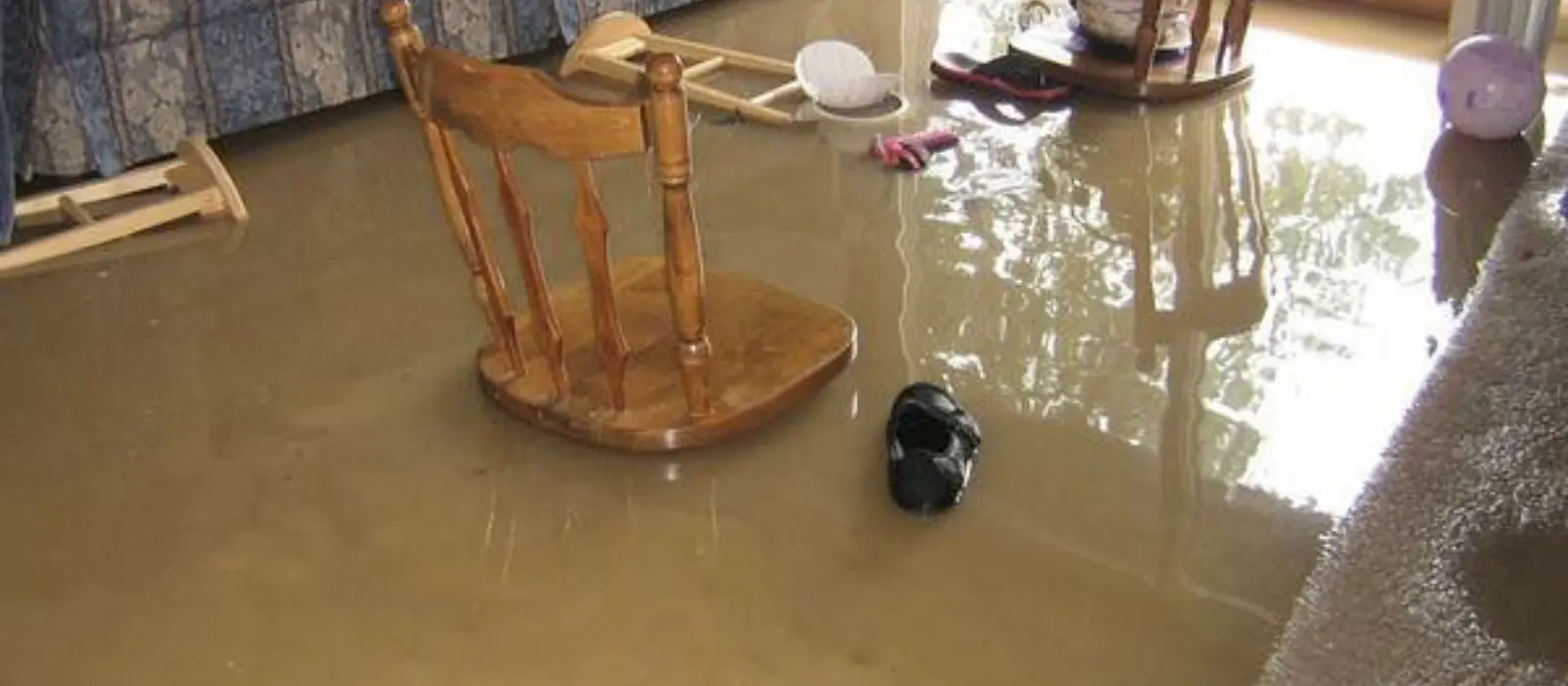
The honest answer is that you cannot decide on day one. Wood needs time to dry, and the decision depends on what the floor does as moisture leaves it. A floor that looks terrible after a week of wetness can lie flat after three weeks of controlled drying, and one that looked fine on day one can grow gaps by week three. Use readings, not first impressions.
Five questions that decide the outcome
- What kind of water was it? Clean supply water is far better than gray water, and sewage almost always means removal.
- How long was the floor wet? Hours is different from days, and days is different from weeks.
- How wet is the subfloor? A dry subfloor means the boards can recover. A saturated one keeps feeding them.
- What are the boards made of? Solid planks usually tolerate drying better than engineered wood with a thin top layer.
- How much finish is left? Refinishing sands away a thin layer, so a floor sanded many times may not have much left.
Dry and refinish versus replace, side by side
| Condition | Usually dry and refinish | Usually replace |
|---|---|---|
| Water type | Clean supply or rain water | Sewage or long-standing contaminated water |
| Time wet | Dried within a few days | Wet for a week or more, with odor or visible growth |
| Board shape | Mild cupping that flattens as it dries | Buckled boards, splits, soft or crumbling wood |
| Subfloor | Dries to match a dry reference | Swollen, delaminated or rotted |
| Board type | Solid planks with finish depth left | Thin engineered veneer that has lifted |
| Gaps | Small gaps that close after seasoning | Wide gaps that remain after stable readings |
What dry and refinish involves
Controlled drying comes first, with air movers, an LGR dehumidifier and sometimes drying mats under a moisture plan. Only when readings are stable does the refinisher move in. That order protects you from sanding a floor that is still moving.
Refinishing normally means sanding to bare wood, filling any small gaps, staining if needed and applying finish coats with cure time between each one. Rooms may be off-limits for several days, and furniture should stay out until the finish has cured enough to take weight. See how drying fits in on our water mitigation page.
When replacement is the better call
Replacing a damaged section is not a failure. It is often cheaper than months of fighting a floor that will not behave. Boards that stay buckled, rot or smell musty after drying are candidates for removal.
Signs a section should come out
- Boards still lifted after stable moisture readings
- Soft, dark or crumbling wood at the edges
- Mold or persistent musty odor under the boards
- Sewage or a long-term leak as the water source
- Delaminating plywood subfloor or swollen joist edges
- Gaps that stay wide through a season of normal humidity
Want a second opinion on your floor?
Call (213) 776-0579. We will read the moisture, explain what is salvageable and put the scope in writing.
The weeks after drying
Wood keeps adjusting to the room after the equipment leaves. A floor that is flat on day ten can show new gaps or slight cupping by week four as seasonal humidity shifts. That is normal, and it is why many refinishers prefer to wait before they sand.
Ask for a recheck of moisture readings before the refinisher starts. If you have to decide quickly because of a move-in date or a rental turnover, say so up front. A contractor can then explain which risks you accept by rushing, such as a finish that fails or gaps that open later.
Partial replacement and matching
If only one room or a hallway is damaged, you can replace those boards and blend the finish. Matching is the hard part. New boards rarely match the color of floors that have aged for decades, and stain differs from batch to batch.
Ask the flooring contractor to bring samples, test patch areas and plan the transition at a doorway. In an open plan, the choice may be to refinish the whole level so there are no seams. That decision belongs with you and the contractor, and it should be priced as a separate option.
What drives the price either way
Price comes down to factors, not a single figure. The wet area, the water category, how many days of equipment are needed and the rebuild scope all matter. Refinishing and replacing both carry labor and finish costs that grow with room size and board type.
| Factor | Dry and refinish | Replace |
|---|---|---|
| Equipment days | More days for slow, careful drying | Fewer days, but demolition is added |
| Materials | Filler, stain and finish coats | New boards, underlayment, finish |
| Labor | Sanding and multiple coats | Removal, install, sanding and coats |
| Disruption | Room closed for cure time | Room closed longer, often with dust |
| Risk | Floor may still shift and need rework | Fit and color matching with existing floor |
Older South Gate homes and old finishes
Most of South Gate's former farmland became homes and factories between about 1910 and 1940, and many early homes were owner-built. Floors in older houses may carry decades of finish, and the paint and materials around them may be older too. Tell the crew the age of the home and ask whether materials should be tested before sanding or demolition.
South Gate Building and Safety, at 8650 California Avenue, (323) 563-9549, says permits are typically required for repair and alteration work. If replacing the floor means opening the subfloor or touching plumbing or electrical, ask your contractor whether a permit applies before work starts.
Insurance and documentation
Sudden and accidental water damage is often covered, while gradual leaks and neglect often are not. Flood is usually excluded from homeowners policies and needs separate coverage. Read your policy and ask your insurer what they require for hardwood claims.
Keep photos of the floor before and after drying, and save the moisture readings. If a company recommends replacement, ask for the readings that support it. If the loss includes soaked carpet or cabinets, the water damage cleanup stage covers what gets removed and disposed of.
Questions South Gate homeowners ask about repair or replace
Often yes, if the water was clean and drying was controlled. Boards may take weeks to settle, so wait for stable readings before sanding or deciding on replacement.
Generally, yes. The thin top layer can delaminate, and once the plies separate they do not bond back. Solid planks have more material to recover.
Not necessarily. Many projects replace one room and blend the finish. Matching and the layout of the home decide whether a larger area makes sense. Homeowners in Lynwood and across our service area face the same choice, and the same readings guide it.
Moisture readings from the boards and subfloor should match a dry reference and stay steady over repeat visits. If readings are still falling, the floor is not ready.
Document the damage with photos, report it in writing and ask the landlord or property manager who is handling the claim. The same steps apply in renter-heavy towns such as Huntington Park, where 73.4% of occupied homes are renter-occupied, so ask early who pays for flooring under your lease.
The leak, always. A floor repaired next to an active leak will be wet again. If the leak is still running, start with emergency water removal so the floor is not rewetted while you plan. Once the source is stopped and confirmed, water damage repair can begin.